
Did you know that by 2025, over 60% of search queries are projected to be handled by AI search engines, fundamentally transforming the rules of search visibility and user engagement? As artificial intelligence rapidly changes the digital landscape, a bold new era is unfolding for brands committed to staying ahead. If your business relies on acquiring visitors and leads from search engines, the strategy that brought you visibility in yesterday’s Google SERPs is quickly becoming outdated. Today, optimizing content for AI powered search engines is not only a technical necessity—it’s a competitive advantage that will determine tomorrow’s market leaders.

Revolutionizing Visibility: The Importance of Optimizing Content for AI Powered Search Engines
For business owners and corporate marketers, the ground beneath digital marketing is shifting fast. With AI search engines and generative engine technologies handling more queries than ever, the old rules of search engine optimization (SEO) are no longer enough to guarantee your brand’s online visibility. Brands that adapt early are gaining tremendously through these new algorithms, which prioritize relevance, context, and content structure over mere keyword stuffing or backlink counts. This paradigm shift means your content strategy must become smarter, leveraging schema markup, structured data, and the kind of conversational, rich content that fits naturally into AI-powered search results.
Consider this: Traditional SEO focused on ranking signals like links, meta tags, and keywords. In contrast, today’s AI search engines—like ChatGPT search, Google’s AI answers, and Microsoft Copilot—use sophisticated ai models to scan, interpret, and generate responses for users. If you want to stay visible, you must optimize your site so that these engines not only find your pages, but also trust, understand, and choose your answers to present in their results. Capid Houser’s specialized Optimizing Content for AI Powered Search Engines service exists precisely to help you unlock these new search opportunities and drive measurable business results.
“Did you know that by 2025, over 60% of search queries are projected to be handled by AI search engines, fundamentally transforming the rules of search visibility and user engagement?”

What You’ll Learn About Optimizing Content for AI Powered Search Engines
- How AI search and generative engine technology disrupt traditional search engines
- Strategic steps to optimize content for AI search engine results
- Why schema markup, structured data, and AI models matter now more than ever
- Insightful statistics and real-world success stories
- How Capid Houser’s specialized service can help your brand own AI search visibility
The Evolution: From Traditional Search Engines to AI Search Engines
“As AI powered search engines rapidly advance, relying solely on conventional SEO tactics is no longer enough for sustainable visibility.” — Capid Houser
- Traditional search engine optimization overview
- The rise of generative engine and AI-driven platforms
- Implications for ecommerce, corporate brands, and digital marketing priorities
To appreciate the magnitude of this shift, one must first understand how traditional search operated. Older search engines factored in keyword density, site authority, and link quantity to rank sites, making tactics such as link-building and meta tag optimization central to search visibility. However, with the introduction of generative AI and ai search engines, search results are no longer simple lists of links. Instead, these platforms summarize content from multiple sources, interpret questions using advanced language models, and deliver generated responses that answer user queries directly in context.
This transition fundamentally changes the game for ecommerce businesses, corporate brands, and digital marketing teams. Your website’s ability to stay visible depends on its compatibility with the preferences of these AI systems. Adopting more structured content, embracing schema markup, and crafting content built to be cited and surfaced in these AI search results is now non-negotiable for those serious about online growth.

As you refine your approach to AI search optimization, it’s also worth considering how a comprehensive digital marketing strategy can amplify these efforts. For a closer look at how a leading Bristol digital marketing agency integrates advanced SEO and AI-driven tactics, explore their digital marketing makeover solutions.
Understanding How AI Search Engines Work
- Definition and core functions of AI search engines
- How search engines leverage AI models to deliver more relevant and personalized results
- Impact of generated responses and structured content
AI search engines are advanced systems that utilize complex algorithms and large language models to parse, understand, and generate search results. Unlike conventional engines that index and rank static HTML pages, these systems scan vast swathes of online information, identify intent from natural language queries, and piece together answers using both structured content and context clues. This enables results that are hyper-personalized, intuitive, and context-aware.
Generated responses are at the heart of this innovation. AI-powered engines like Bing Copilot, ChatGPT, and Google’s Search Generative Experience (SGE) pull in topically relevant text, interpret nuances in user intent, and synthesize rich, summarized outputs. For brands, this means having content that is not only accessible, but perfectly formatted, well-structured, and semantically marked up—so the AI systems can recognize, trust, and refer to your information when formulating answers.
Optimizing Content for AI Powered Search Engines: Step-by-Step Guide
- Keyword Research Meets AI Search: Go beyond classic keyword tools—focus on intent and conversational queries used by AI search engines. Modern content creation should analyze how users find and phrase questions in an era dominated by generative AI and voice search.
- Content Structure & Formatting: How structured content and schema markup make content readable by AI models. Tables, lists, FAQs, and clear header hierarchies help AI search engines understand and extract your site’s content for precise search results.
- Leveraging Schema Markup & Structured Data: The critical role of structured data in surfacing your brand in AI search results. Markup for reviews, products, services, and organization give AI models clues to pull your business for relevant queries.
- Optimizing for Generated Responses: Tips to ensure your content is surfaced and cited by AI powered search engines. Use summary paragraphs, concise answer boxes, and authoritative citations.
- Ongoing Content Refinement: Utilize insights from search results and AI models for continual optimization. Regularly review analytics, AI feedback, and update to align with search visibility best practices.

AI Search Visibility: Key Metrics for Business Owners and Marketers
- Search visibility in generative engines
- Click-through rate for AI search results
- Improvement in branded and non-branded query performance
- Tracking conversions and engagement from AI-powered traffic
Optimizing content for AI powered search engines unlocks a new layer of actionable metrics for your marketing team. One of the most vital indicators is search visibility—how often your brand appears in AI search results, including direct answers and summaries. Monitoring both branded and non-branded query performance is essential, as AI search engines may introduce your company to audiences outside your usual reach.
Beyond appearances, measuring click-through rates (CTRs) from AI-generated answers, as well as conversion and engagement data originating from these new search engines, helps clarify ROI. With the right analytics—available in Capid Houser’s AI Search Optimization service—you’ll see tangible results in traffic, leads, and sales driven by advanced generative engine platforms.

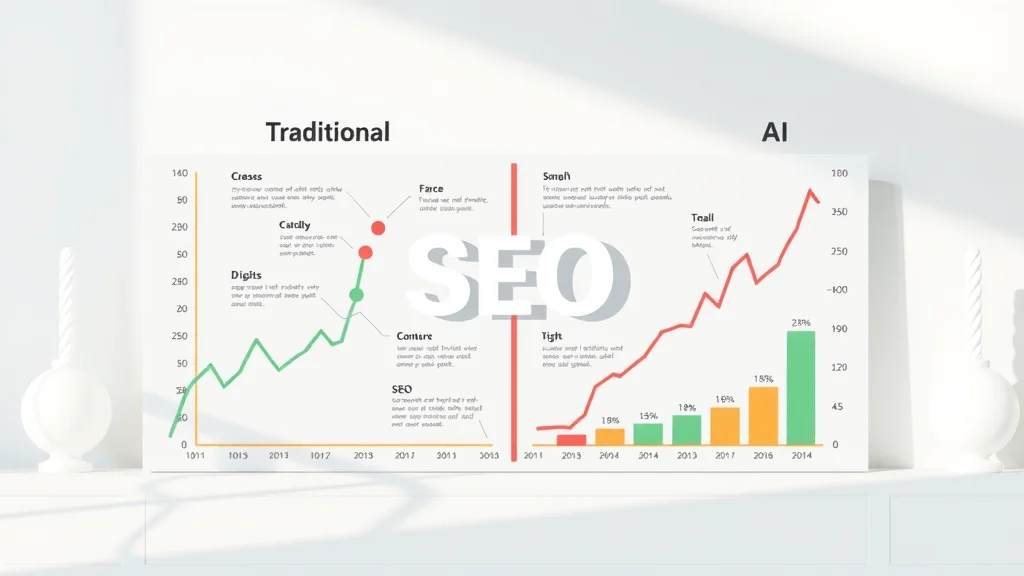
Case Study Table: Traditional SEO vs. Optimizing Content for AI Powered Search Engines
| SEO Focus | Traditional Search Engine | AI Powered Search Engine |
|---|---|---|
| Primary Ranking Factors | Keywords, Backlinks, CTR | Structured Data, Relevance, Contextual AI Signals |
| Content Type | HTML Pages | Rich, Structured & Conversational Content |
| Optimization Tools | Meta Tags, Sitemaps | Schema, AI Structure, Generated Snippets |
| Measurement | SERP Position | AI-Generated Result Placement |
“Can Your Brand Stay Visible Within AI Search Engines?”
With digital competition fiercer than ever, brands must urgently ask themselves: Can we stay visible in this new world of AI search? As AI engines move to the forefront, dozens of companies who once ranked well in search now struggle to regain their presence. Those failing to evolve are seeing marked drops in web traffic and qualified leads. Proactive optimization is the only way to avoid being left behind.

Expert Insights: Quotes from Capid Houser on Optimizing Content for AI Powered Search Engines
“Today’s generative AI engines are not simply indexing content — they’re interpreting, summarizing, and presenting your brand to users in entirely new ways. The time to optimize is now.” – Capid Houser SEO Specialists
“Our Answer Engine Optimization and AI Search Service delivers custom strategies to help brands dominate AI-powered search results.” – Capid Houser

Top Techniques for Optimizing Content for AI Powered Search Engines
- Implement advanced schema markup for FAQs, products, and reviews
- Structure answers to align with generated responses preferred by ai models
- Regularly update content targeting conversational AI search queries
- Promote authoritative and trusted content to enhance AI model recognition
Applying these techniques will greatly improve visibility and ensure you’re not left chasing the competition. Capid Houser’s team specializes in designing bespoke strategies for business owners and marketing leads who are ready to make their brand standout within ultra-competitive AI search engine environments.
Integrating AI Search Optimization into Your Digital Marketing Strategy
- Synergies with Google Adwords and standard SEO
- Prioritizing high-value pages for AI search optimization
- Internal team vs. outsourcing: When to use Capid Houser’s services
Incorporating AI search engine optimization doesn’t mean abandoning your old campaigns. On the contrary, running Google Adwords and classic SEO alongside robust AI search strategies is the new standard for full-spectrum visibility. Start by prioritizing your highest-performing or most valuable pages for structured data and schema markup deployment. Then, evaluate whether it makes sense for your in-house team to manage this fast-evolving landscape, or if bringing in partners like Capid Houser can give you a crucial edge.
Capid Houser’s AI Search Service leverages years of expert insight, advanced tools, and proven templates to future-proof your business. Don’t risk being invisible—partner with specialists who understand both traditional search and the latest generative ai search methodologies.

People Also Ask: How to Optimize Content for AI-Driven Search?
How to Optimize Your Content for AI Overview?
Optimizing your content for AI-driven search starts by understanding what modern ai models prioritize—context, relevance, and structured data. First, research the conversational and long-tail queries your audience uses with ai search engines. Next, organize your content clearly, use FAQ sections and lists, and implement schema markup so AI search engines can recognize the structure. Focus on presenting concise, direct answers and cite authoritative sources where possible. Regularly update your material based on AI search results feedback so your site remains highly relevant and easy for ai models to index.

How to Optimize Content for Search Engines?
To optimize content for both classic search engines and AI-powered search engines, combine traditional keyword optimization with enhanced structured content and structured data like schema markup. Make your site easy to navigate, ensure information is grouped logically, and present critical answers clearly. Include multimedia, and use internal linking for improved search visibility. For AI systems, prioritize well-labeled sections, conversational tone, and readable formats that let ai models surface your brand in generated responses.
Can AI Do Search Engine Optimization?
Yes, AI can assist and even automate search engine optimization by analyzing trends, suggesting targeted keywords, generating outlines, and scoring content for readability and relevance. However, expert oversight is still required for strategic planning, complex schema markup, and making real-time adjustments for ongoing visibility. Teams like Capid Houser’s merge data-driven AI insights with human creativity to deliver sustainable AI search engine optimization results.
Frequently Asked Questions: Optimizing Content for AI Powered Search Engines
- What makes AI search engines different from traditional search engines?
AI search engines use ai models and generative technology to interpret user intent and generate summarized answers, rather than simply ranking and displaying a list of links. - Which types of content benefit most from AI optimization?
FAQ-rich pages, product listings, how-to guides, and authoritative resources all see bigger gains as they’re more likely to surface in AI search results. - How long does it take to see results from optimizing for AI powered search engines?
Timelines vary, but most brands experience enhanced search visibility and increased qualified traffic within 3–6 months with regular optimization. - Can existing website content be retrofitted for AI search?
Yes, existing content can be improved with structured data, proper formatting, and updated semantics to align with ai search engine requirements. - Is technical expertise required, or can marketing teams implement these changes?
While some basics can be handled in-house, advanced optimization—especially at scale—often benefits from professional services like Capid Houser’s tailored solutions.
Key Takeaways: Why Optimizing Content for AI Powered Search Engines Is Essential
- AI and generative engines are redefining online search; traditional strategies are insufficient.
- Brands must adapt or risk losing out on traffic and visibility.
- Specialist services such as Capid Houser’s provide tailored solutions for maximum AI search impact.

Ready to Dominate AI Search?
Building your strategy for optimizing content for AI powered search engines is essential to keep your brand competitive in a generative AI world. To learn more about The Complete Answer Engine Optimization And AI Search Service For Companies, visit https://www. capidhouser. com/answer-engine-optimization-and-ai-search/ and ensure your business leads the next evolution in digital marketing.
If you’re inspired to take your digital presence even further, consider how a holistic digital marketing makeover can transform your brand’s performance across every channel. By combining AI-powered search optimization with a full-spectrum approach to content, social, and paid campaigns, you can unlock new levels of growth and engagement. Discover how Capid Houser’s digital marketing agency in Bristol helps businesses like yours achieve measurable results through innovative strategies and expert guidance. Now is the perfect time to elevate your marketing and future-proof your brand in the age of AI-driven discovery.
Sources
- https://www.capidhouser.com/answer-engine-optimization-and-ai-search/ – Capid Houser
- https://searchengineland.com/search-engine-optimization-ai-powered-search-428123 – Search Engine Land
- https://developers.google.com/search/docs/fundamentals/ai-overview – Google Search Central
- https://moz.com/blog/schema-markup-for-seo – Moz Blog
- https://www.searchenginejournal.com/generative-ai-search-future/494867/ – Search Engine Journal
To enhance your understanding of optimizing content for AI-powered search engines, consider exploring the following resources: “Optimizing Your Content for Inclusion in AI Search Answers” (about. ads. microsoft. com) This article provides insights into how AI search is evolving and offers strategies for creating content that is fresh, authoritative, and structured to improve visibility in AI-generated search results. “How to Optimize Content for AI Search Engines” (sigursolutions. com) This guide outlines practical steps for structuring content to align with AI search algorithms, emphasizing the importance of answer-driven content and contextual relevance. By delving into these resources, you’ll gain actionable strategies to adapt your content for the AI-driven search landscape, ensuring your brand remains visible and competitive.
